Quick take
-
Most beginner-friendly: Russian, Hermann’s, Greek
-
Best “character” picks: Red-footed (social), Leopard (majestic), Sulcata (giant, but demanding)
-
Rare/endangered beauties (advanced only + strict permits): Indian Star, Egyptian, Pancake. (Multiple Appendix-I CITES listings restrict commercial trade from the wild.)
Learn more about tortoises at Tortoise.top!
Popular Pet Tortoise Species at a Glance
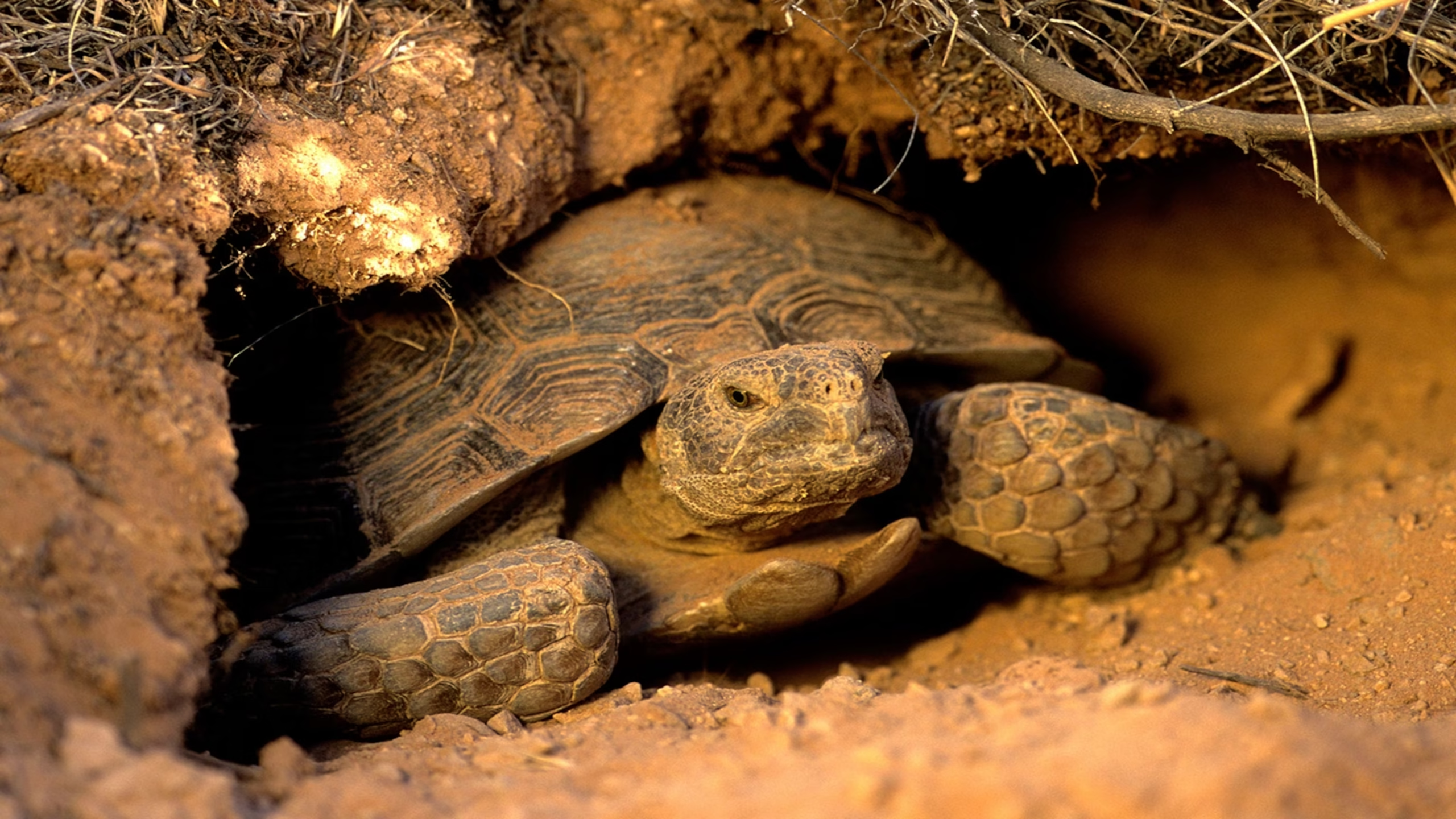
Not every tortoise suits indoor or backyard life. The species below are small to mid-sized, hardy, and widely captive-bred—perfect for household keepers who want years of quiet companionship without the challenges of a 50-kg giant.
| Species (Common name) | Adult size (shell length) | Typical lifespan | Temperament & notes | CITES / IUCN snapshot |
|---|---|---|---|---|
| Testudo horsfieldii (Russian) | 13–20 cm (5–8 in) | 40–50+ yrs | Hardy, curious, digs a lot; excellent beginner species | CITES II; wild export controls vary by country. |
| Testudo hermanni (Hermann’s) | ~13–18 cm (6–8 in) | 30–75+ yrs | Active, personable; Mediterranean climate needs | IUCN account; widely kept, captive-bred common. |
| Testudo graeca (Greek) | 13–20 cm (5–8 in) | 50–100+ yrs (long-lived) | Calm, classic “garden tortoise”; many local forms | IUCN: Vulnerable (species complex). |
| Chelonoidis carbonarius (Red-footed) | 30–40+ cm (12–16 in) | 50+ yrs | Social, intelligent, colorful cheeks/legs | Widely captive-bred; husbandry differs (more humid). |
| Stigmochelys pardalis (Leopard) | 30–40 cm typical; up to 70 cm | 75–100 yrs | Graceful “grazing lawnmower”; space-heavy | Large, long-lived; not for apartments. |
| Centrochelys sulcata (African spurred / Sulcata) | 45–86 cm (18–34 in) | 50–80+ yrs | Gentle “puppy” energy; becomes HUGE | CITES II with zero wild-export quota; only captive-bred. |
| Geochelone elegans (Indian Star) | 15–25 cm (6–10 in) | 30–80 yrs | Shy, stunning star pattern; sensitive | CITES I (since 2019); trade tightly restricted. |
| Testudo kleinmanni (Egyptian / Kleinmann’s) | 8–13 cm (3–5 in) | 40+ yrs | Tiny, very delicate; arid specialist | CR (IUCN), CITES I; advanced keepers only. |
| Malacochersus tornieri (Pancake) | 15–18 cm (6–7 in) | 25–35+ yrs | Flat, agile climber; unique rock-crevice dweller | CR (IUCN), CITES I uplisting; specialist care. |
| Testudo marginata (Marginated) | 30–35 cm (12–14 in) | 20–50+ yrs | Calm; flared “skirt” shell edges | Largest European tortoise; Mediterranean needs. |
Sizes/lifespans are typical ranges from species accounts and reputable husbandry sources; individuals vary.
Choosing the right tortoise (decision tree)
-
How much space do you have (forever)?
-
Apartment/balcony: Russian / Hermann’s / small Greek (outdoor time still essential).
-
Garden or yard, warm climate: Add Red-footed, Leopard.
-
Large, secure outdoor paddock year-round: Sulcata (only if you plan for 40–80 kg+ adult).
-
Local climate & microclimate
-
Mediterranean (dry summers, mild winters): Mediterranean Testudo (Hermann’s, Greek).
-
Humid/tropical: Red-footed tolerates humidity better than Testudo; Indian Star needs warm-stable conditions, no chilling/damp.
-
Legal/ethical sourcing
-
Buy captive-bred from reputable breeders; check local permits. Many star/egyptian/pancake individuals require proof of legal origin (CITES). Sulcata and horsfieldii are Appendix II (no wild-caught commercial exports for sulcata).
Species spotlights (care notes + what makes each special)
Russian Tortoise (Testudo horsfieldii)
Compact, hardy, famous digger. Thrives in roomy pens with dry substrate (and deep dig zones). Brumates in cool seasons. Great for first-time keepers with outdoor access. CITES II; import/export rules apply.
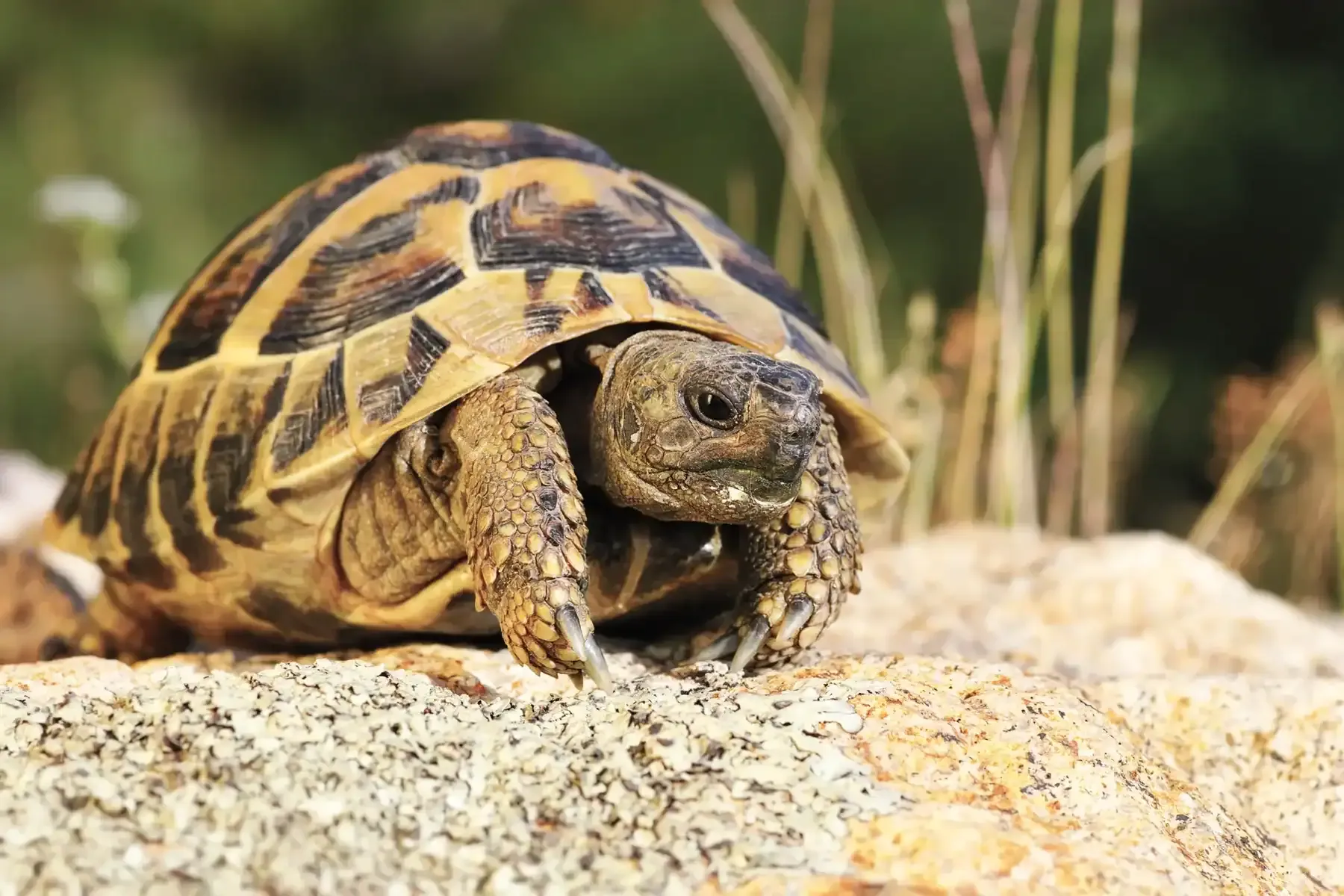
Hermann’s Tortoise (Testudo hermanni)
Cheerful, active grazers with striking yellow/black shells. Needs Mediterranean-like sun, UVB, and secure, escape-proof edging (they climb!). Captive-bred widely available.
Greek Tortoise (Testudo graeca)
Classic “garden tortoise.” Several regional forms exist; stick to captive-bred. Long-lived—some verified to 100+ years—so plan for lifetime care.
Red-footed Tortoise (Chelonoidis carbonarius)
Colorful legs/face, a bit more social/interactive than Testudo. Prefers warm, moderately humid environments and mixed browse (greens, weeds, some fruit as enrichment).
Leopard Tortoise (Stigmochelys pardalis)
Large, photogenic grazer that prefers drier conditions and big turf areas. Beautiful juveniles; patterns often fade with age. Not for small spaces.
Sulcata / African Spurred (Centrochelys sulcata)
The gentle giant of backyards. Endearing personalities—but adults can exceed 45–80+ kg and bulldoze fences. CITES II; zero wild-export quota → purchase captive-bred only.
Indian Star (Geochelone elegans)
Dazzling star pattern; sensitive to chills and damp. Since 2019 it’s CITES Appendix I—commercial international trade in wild animals banned; check your country’s permit requirements for captive-bred stock.
Egyptian / Kleinmann’s (Testudo kleinmanni)
Tiny, delicate desert jewel. Critically Endangered; specialist care programs and strict permitting. Not a beginner species.
Pancake (Malacochersus tornieri)
Flat, flexible shell for zipping into rock crevices; more agile than other tortoises. Critically Endangered; CITES Appendix I—advanced keepers only, with habitat-style setups (rock stacks, crevices).
Marginated (Testudo marginata)
Largest European tortoise with flared “skirt.” Similar needs to other Mediterranean Testudo; thrives outdoors in suitable climates.
Care pillars that matter more than the species name
-
Light & heat: Daily access to natural sun or high-quality UVB; species-appropriate basking gradients. (Mediterranean Testudo ~32–35 °C bask; Red-footed often cooler bask + higher humidity.)
-
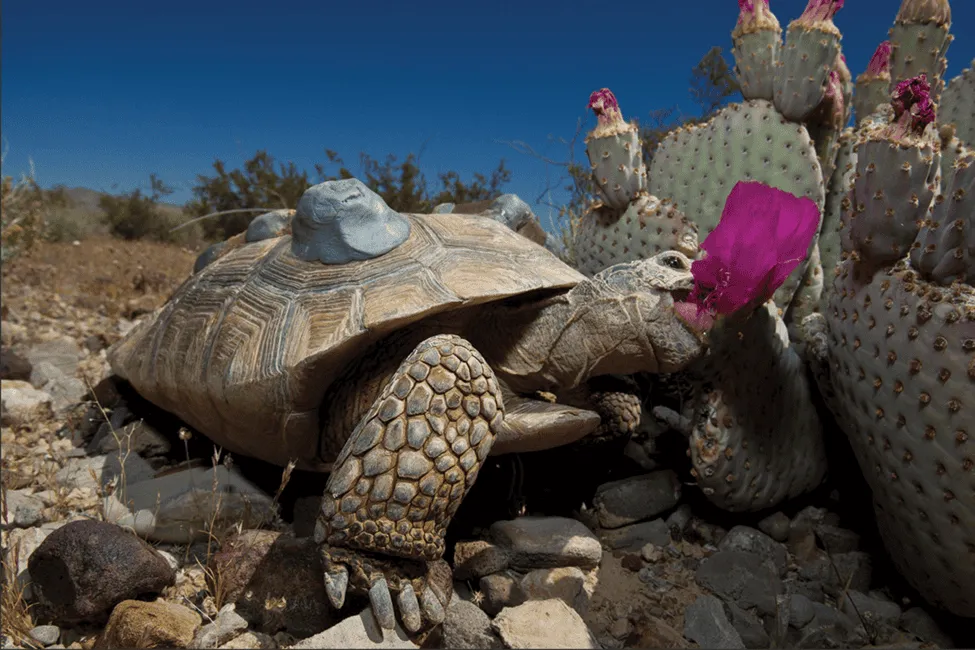
Diet: High-fibre weeds and grasses; avoid fruit except species that tolerate it (red-footed), and avoid high-oxalate greens as staples. Calcium support is essential.
-
Space & substrate: Outdoor pens with safe plants, shade, and dig zones beat small indoor tubs. Many species are burrowers (horsfieldii, sulcata).
-
Humidity management: Match natural history—Mediterranean types prefer drier air; red-footed and some stars need steadier warmth and humidity (but never “damp and cold”).
-
Source & paperwork: Prioritize captive-bred; verify legal origin, especially for Appendix-I species (Star, Egyptian, Pancake). For sulcata, note the zero quota on wild commercial exports.
Frequently asked questions
Q: Are sulcatas legal for me?
Usually yes if captive-bred, but check local law. International commercial trade in wild-caught sulcata is set to zero; legitimate sellers provide captive-bred proof.
Q: Which small species stays small?
Egyptian is the smallest here but is Critically Endangered/CITES I → not practical for most keepers. Russian/Hermann’s are the most realistic “small” options.
Q: Are Indian Stars good for beginners?
They’re beautiful but sensitive and CITES I—permits and perfect husbandry needed. Most beginners do better with Russian or Hermann’s.